
When Was Children’s Mental Health Week 2026?
Children’s Mental Health Week 2026 ran from 9 to 15 February 2026, organised as always by the UK children’s mental health charity Place2Be. Since it launched in 2015, the week has become one of the most widely marked events in UK school calendars, with primary and secondary schools, nurseries, and community groups all taking part.
Even though the official week has passed for this year, the theme and the ideas behind it are built to last well beyond seven days in February — which is exactly the point.
This Year’s Theme: “This Is My Place”
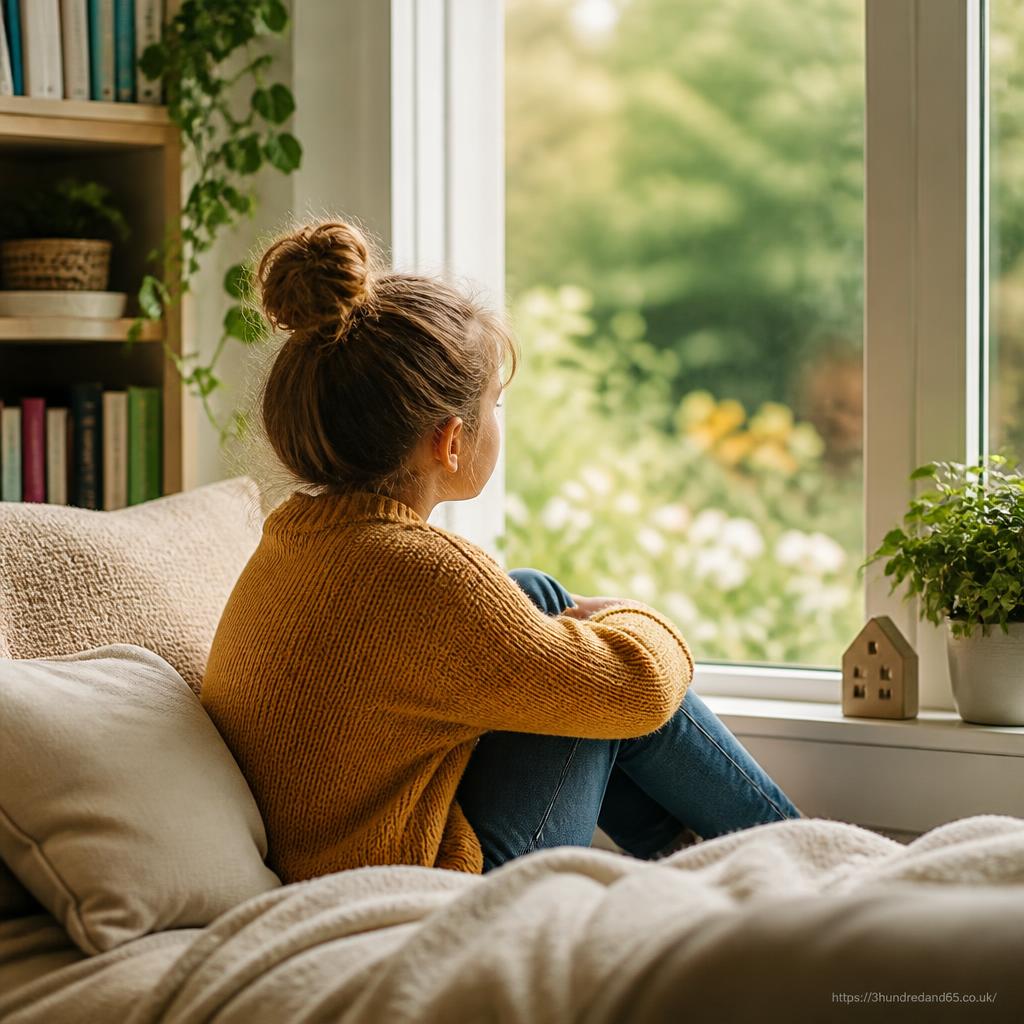
The 2026 theme centred on belonging — the idea that a child’s sense of safety, confidence, and emotional wellbeing is closely tied to whether they feel they truly have a place in their environment, whether that’s home, school, or their wider community.
Place2Be built the week’s activities around a simple but powerful question: what makes a child feel like they belong? The answer varies enormously from one child to the next, but the common threads were consistent — feeling seen, feeling accepted without needing to perform or please, and having relationships that don’t feel conditional.
Why Belonging Matters So Much for Children’s Mental Health
It’s a Foundation, Not a Bonus
A sense of belonging isn’t a “nice to have” layered on top of a child’s development — research consistently links it to core outcomes like confidence, willingness to try new things, and resilience when things go wrong.
Roughly 75% of Mental Illness Starts Before Adulthood
Most long-term mental health conditions have their roots in childhood or adolescence. That statistic alone explains why early, preventative conversations matter so much more than waiting until a problem becomes visible.
Modern Pressures Are Genuinely Different
Today’s children navigate social media, academic pressure, and a level of constant connectivity that didn’t exist for previous generations. Belonging looks different when comparison is a swipe away at all times.
How to Bring “This Is My Place” Into Everyday Life
You don’t need a classroom or a charity toolkit to apply the theme at home. A few starting points:
Ask Open, Low-Pressure Questions
Instead of “how was school,” try something more specific: “what made you feel happy today?” or “was anything hard today?” Specific questions tend to get past the automatic “fine” response.
Let Feelings Exist Without Fixing Them Immediately
Children often need to be heard before they need a solution. Resisting the urge to jump straight to advice — even well-meant advice — signals that their feelings are valid on their own.
Use Creative Outlets
Drawing, building, or storytelling can surface things a child struggles to say directly. It’s a lower-pressure way in, especially for younger children who don’t yet have the vocabulary for complex emotions.
Map Their “Places”
A simple activity: ask a child to draw or list the places, people, and activities that make them feel like they belong. It’s a gentle way to spot both strengths (what’s working) and gaps (what might be missing).
Signs a Child Might Need Extra Support
- Sudden changes in behaviour, sleep, or appetite
- Withdrawing from friends or activities they used to enjoy
- Increased clinginess or separation anxiety, especially in younger children
- Persistent physical complaints — stomach aches, headaches — with no clear cause
- Big shifts in school performance or reluctance to attend
None of these automatically point to a serious problem, but a pattern that persists for more than a few weeks is worth raising with a teacher, school counsellor, or GP.
UK Support Resources for Families
- YoungMinds Parents Helpline — 0808 802 5544, free support for parents and carers
- Childline — 0800 1111, free and confidential for children and young people themselves
- NHS Children and Young People’s Mental Health Support — via nhs.uk, guidance on accessing local services
- Place2Be — free resources and toolkits, usable well beyond the official week itself
Frequently Asked Questions
When is Children’s Mental Health Week normally held?
It falls in February each year, though the exact dates shift slightly. In 2026, it ran from 9–15 February.
Who runs Children’s Mental Health Week?
Place2Be, a UK children’s mental health charity that also provides in-school counselling and support across the country.
Is the week just for schools?
No — while schools are the most visible participants, Place2Be’s resources are designed for families and community groups too, and the underlying ideas apply just as well at home.
The calendar date for Children’s Mental Health Week 2026 has come and gone, but “This Is My Place” was never meant to live inside a single week. A child’s sense of belonging gets built in ordinary moments, all year round — which means the real work starts now, not next February. For related awareness dates and the full picture, see our Men’s and Women’s Mental Health Month guides, our Parent Mental Health Day guide, our Hello Yellow guide, or the complete mental health guide.